VPN Logging Best Practices
What to log on a self-hosted VPN, what to avoid, retention policies, and how to keep operational visibility without collecting unnecessary user traffic data.
VPN security, hardening, firewall rules, and best practices.
What to log on a self-hosted VPN, what to avoid, retention policies, and how to keep operational visibility without collecting unnecessary user traffic data.
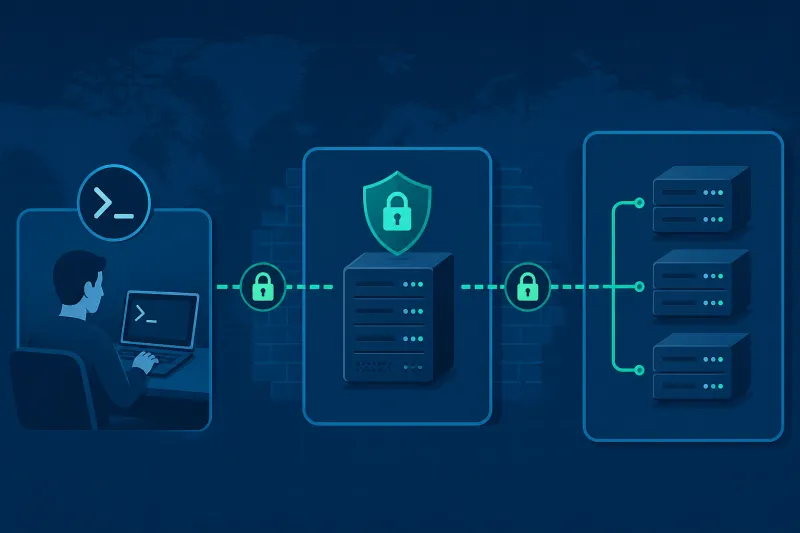
Operational SSH security for VPN and VPS fleets: key lifecycle, jump hosts, access reviews, break-glass procedures, and least privilege—beyond a single sshd_config checklist.
A runbook for rotating WireGuard and OpenVPN credentials without locking out users: dual-key windows, inventory hygiene, and compromise response.
What “best VPN encryption” means in practice: modern ciphers, protocol defaults, key exchange, and how WireGuard and OpenVPN compare for self-hosted fleets.
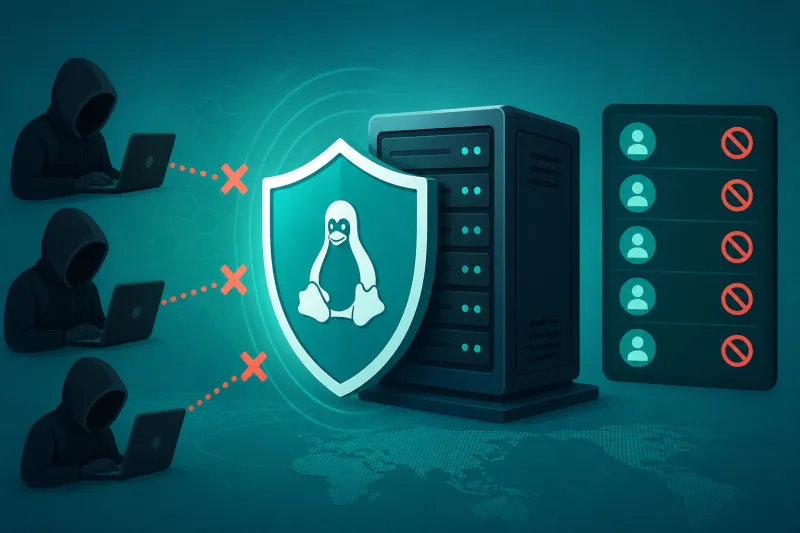
Install and configure Fail2Ban on Ubuntu to ban abusive SSH (and other) clients: jails, filters, ban times, ignoreip, and how it complements UFW on a VPN VPS.
Harden OpenSSH on Ubuntu with concrete sshd_config settings: key-only auth, disable root login, restrict users, modern ciphers, and a host hardening checklist.
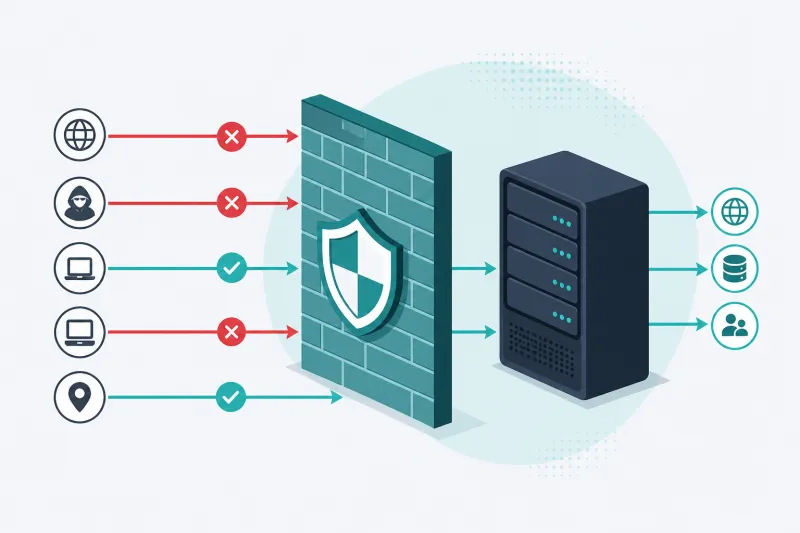
Configure UFW on Ubuntu the right way: default deny, allow SSH first, open WireGuard UDP, rate limiting, and rules that survive reboots without locking yourself out.
A practical hardening checklist for Ubuntu VPS servers: SSH keys, firewall, updates, users, Fail2Ban, and baseline controls before you run production services.