VPN for Remote Employees: A Practical Guide
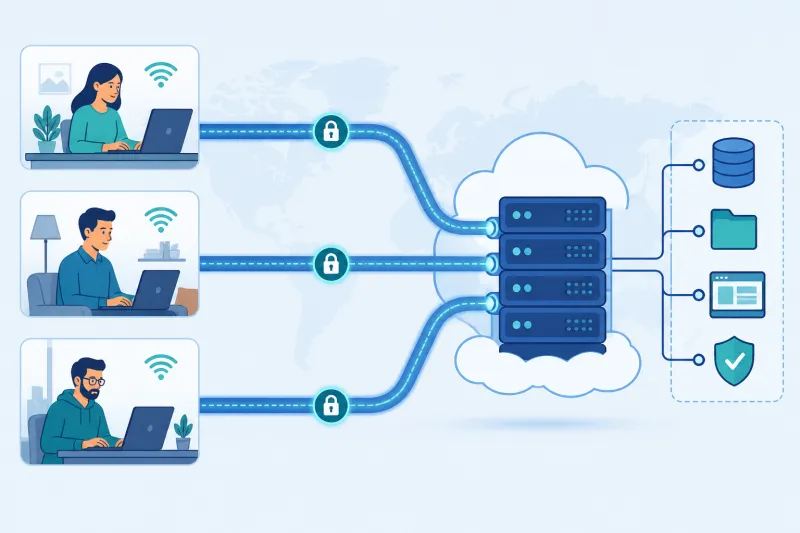
Design remote-access VPN for employees the way ops teams actually do it: split tunnel vs full tunnel, device onboarding, least privilege, and day-two operations.
Networking concepts, routing, and infrastructure fundamentals.
Design remote-access VPN for employees the way ops teams actually do it: split tunnel vs full tunnel, device onboarding, least privilege, and day-two operations.
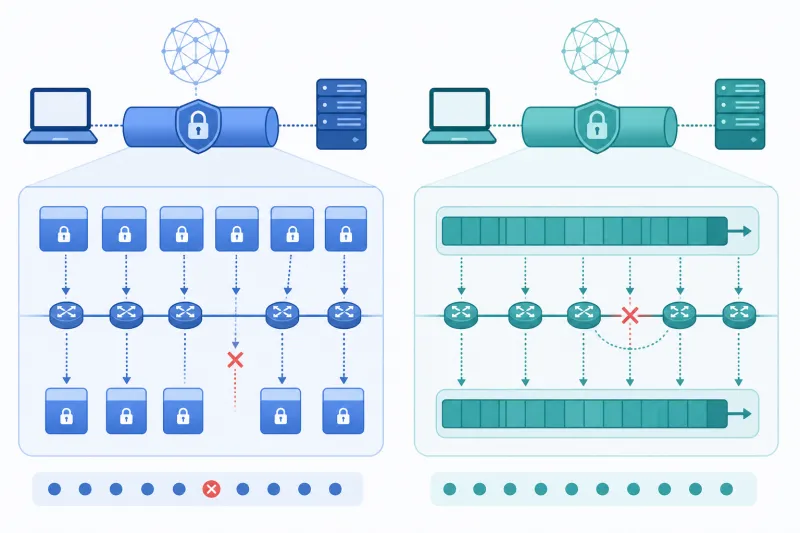
Why most VPNs prefer UDP, when TCP transport is justified, and how TCP-over-TCP meltdown shows up in real remote-access deployments.
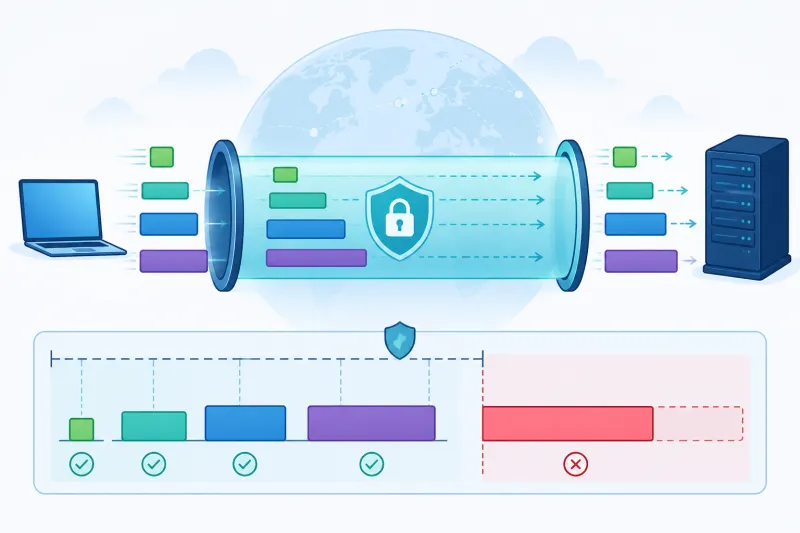
Fix slow tunnels and mysterious stalls by tuning MTU and MSS for WireGuard and OpenVPN—without guessing your way into blackholes.
A practical comparison of WireGuard, OpenVPN, and IKEv2 for throughput and latency—what actually makes a VPN fast on a VPS, and how to choose for real workloads.
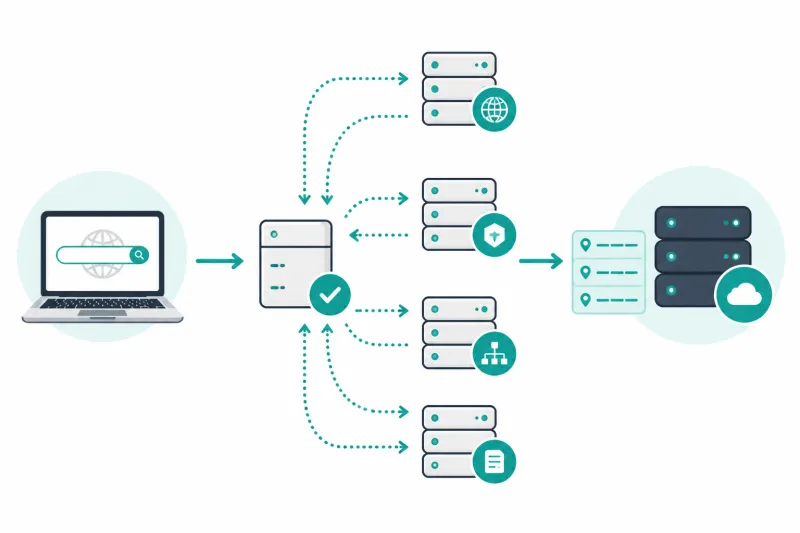
Configure DNS for a VPS the way operators actually do it: A/AAAA records, TTLs, reverse DNS, resolver choice on Ubuntu, and naming patterns that work for VPN endpoints.
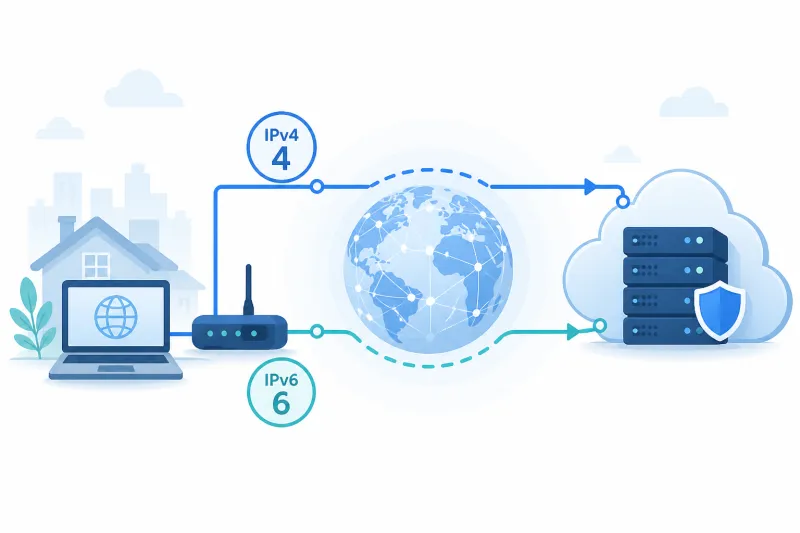
Enable and verify IPv6 on an Ubuntu VPS: DigitalOcean networking, sysctl, AAAA records, UFW dual-stack rules, and how IPv6 interacts with WireGuard tunnels.
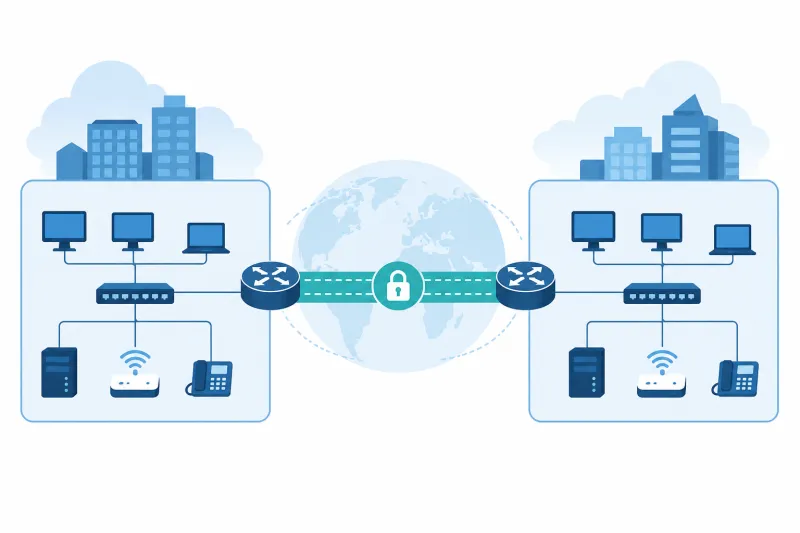
How site-to-site VPNs connect entire networks—routing, gateways, protocol choices, and the operational patterns that keep multi-site overlays reliable.
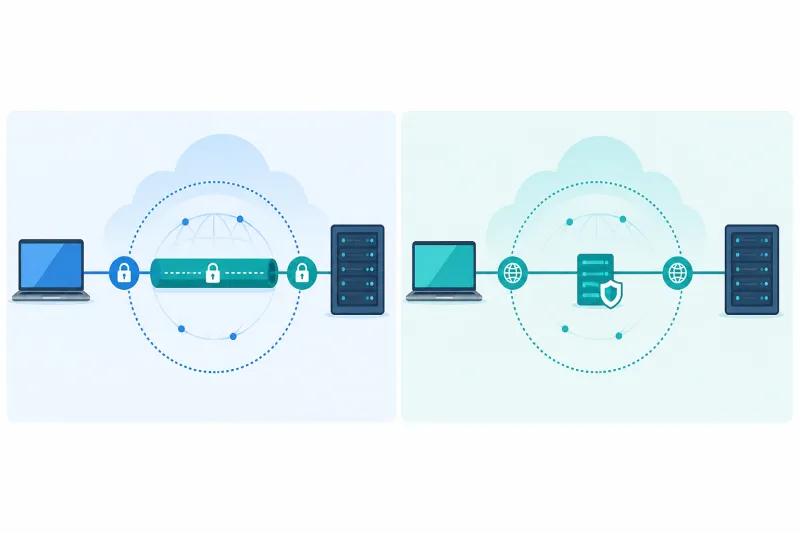
A technical comparison of VPNs and proxies: OSI layers, encryption, routing scope, and which tool fits remote access, egress control, or simple HTTP forwarding.