Managing Hundreds of VPN Servers
Table of Contents
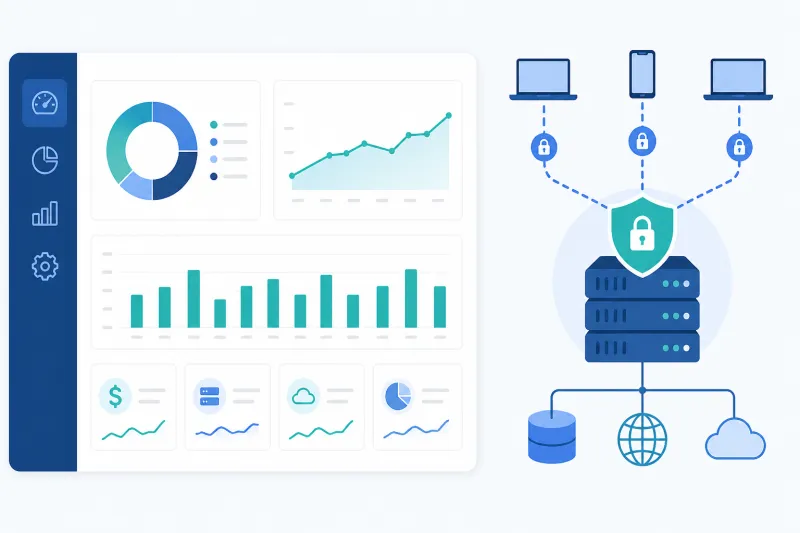
A single WireGuard VPS is an afternoon project. A few dozen are a documentation problem. A few hundred are a distributed systems problem that happens to move encrypted packets. Managing hundreds of VPN servers means treating nodes as inventory, peers as lifecycle objects, and regions as failure domains—not as SSH bookmarks.
This guide covers operational patterns for large self-hosted VPN fleets on DigitalOcean-class infrastructure: naming, control planes, rollouts, observability, and recovery.
What You'll Learn
- How fleet scale changes VPN operations
- Inventory, naming, and CIDR planning that survive growth
- Control-plane responsibilities vs per-node duties
- Rollout, canary, and rebuild strategies
- Monitoring and on-call signals that matter
- Best practices, common mistakes, and FAQ
What Breaks First at Scale
Teams usually discover scale pain in this order:
- Peer spreadsheets diverge from reality
- CIDR collisions across hastily added regions
- Config drift between “identical” nodes
- Slow incident response (which box, which key, which customer?)
- Certificate/key sprawl without rotation owners
- Cost blindness (idle droplets nobody wants to delete)
Cryptography rarely fails first. Bookkeeping does.
Inventory as the Source of Truth
Every server record needs at least:
- Stable ID (immutable)
- Hostname / DNS name
- Provider ID (DigitalOcean droplet ID)
- Region and size
- Role and environment
- Tunnel CIDR and listen ports
- Agent version / config generation
- Owner team and cost center
- State:
provisioning,ready,draining,destroyed
Every peer/user record needs:
- Parent server ID
- Public key or cert identity
- Tunnel IP
- Routing policy (
AllowedIPs/ push routes) - Human owner and expiry
- State:
active,suspended,revoked
If a fact exists only on a live disk, the fleet will lie to you during an outage.
Naming and DNS Conventions
Pick a scheme and refuse exceptions:
vpn-<region>-<nn>.example.com
vpn-fra-01.example.com
vpn-nyc-14.example.com
Encode environment explicitly (vpn-fra-01.prod... vs staging). Do not reuse names for different droplets without a TTL cool-down; client configs and mental models lag reality.
CIDR Registry
Maintain a global registry (even a tightly controlled git file beats tribal memory):
| CIDR | Region | Env | Server |
|---|---|---|---|
| 10.66.10.0/24 | fra | prod | vpn-fra-01 |
| 10.66.11.0/24 | nyc | prod | vpn-nyc-01 |
Rules:
- No overlapping tunnel ranges across the fleet if users roam or you build site links later
- Avoid common home/office LANs (
10.0.0.0/24,192.168.1.0/24) when possible - Allocate sparsely enough to grow peers per node
Control Plane vs Data Plane
Data plane: each VPS encrypts/decrypts and routes.
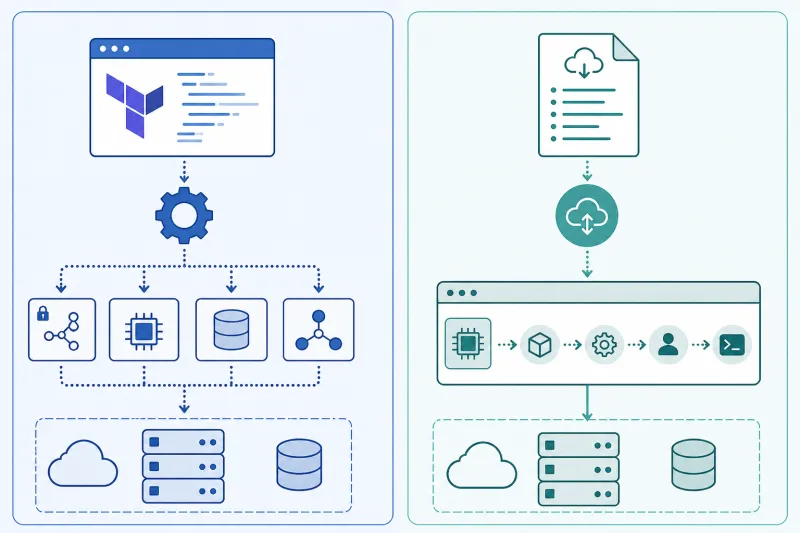
Control plane: invents desired state—peers, protocols, versions—and reconciles agents.
At hundreds of nodes, SSH as the control plane collapses. You need:
- Authenticated agents
- Desired-state APIs
- Job queues for install/repair/uninstall protocol actions
- Audit logs for who changed what
TunnelFleet’s model—provision on DigitalOcean, agent on the VPS, manage users/protocols centrally—exists because SSH loops do not scale.
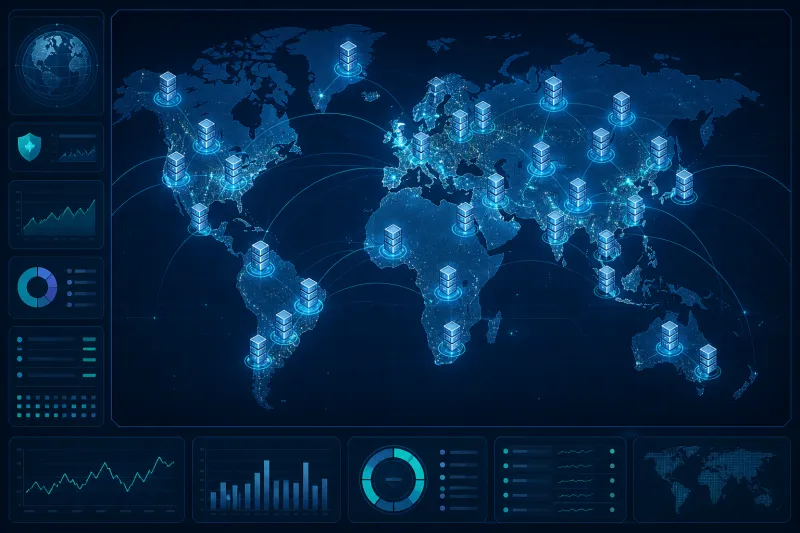
Regional Strategy
Decide why you have many servers:
- Latency: put users near endpoints
- Isolation: blast-radius and compliance boundaries
- Throughput: shard heavy users
- Resilience: survive regional provider issues
Do not multiply regions “for fun.” Each region adds CIDR, monitoring, and on-call surface.
Design failure domains: a bad config push should canary one region, not the planet.
Rollouts and Versioning
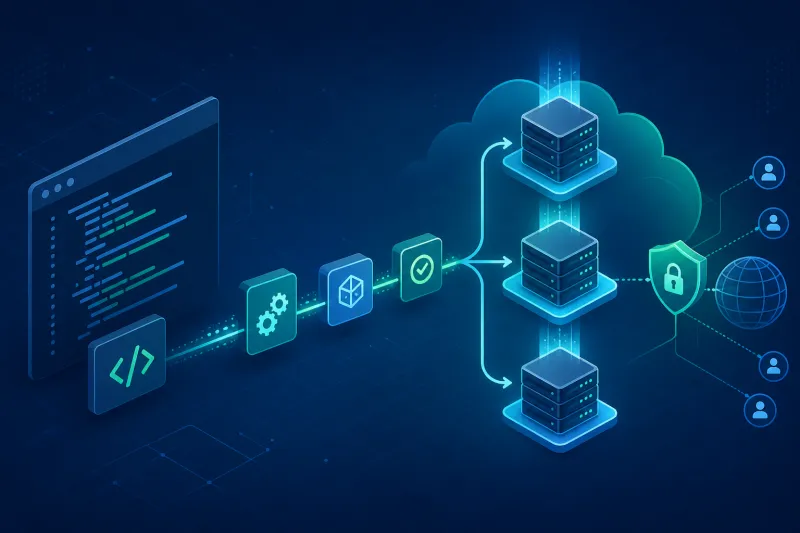
Treat agent and template versions like software:
- Build artifact / template
- Canary 1–5% of nodes (or one region)
- Watch handshake error rates, CPU, agent heartbeats
- Stage rollout with automatic halt rules
- Keep a last-known-good pin for rollback (rebuild or pin agent version)
For WireGuard peer updates, prefer incremental reconcile over rewriting entire configs blindly—still test that wg syncconf / restart behavior matches your packaging.
Capacity and Sharding
Rough levers:
- Peers per node (operational support load often bites before CPU)
- Bandwidth per region
- Packet rate (small packets stress CPU differently than iperf headlines)
Split heavy tenants onto dedicated nodes when noisy-neighbor effects appear. Track utilization per droplet in the same inventory system.
Observability That Scales
Minimum signals per node:
- Agent heartbeat age
- VPN process/unit state
- WireGuard peer handshake freshness for a synthetic probe peer (or sampled active peers)
- Public port reachability from an external checker
- CPU, memory, disk, network throughput
- Cloud and host firewall “unexpected deny” if you can measure it
Aggregate dashboards by region and version, not by staring at hundreds of host charts. Alert on symptoms (heartbeats gone, synthetic tunnel fail) more than raw CPU.
Logs: centralize agent and syslogs; avoid capturing user payload content. See also logging best-practice discipline for privacy.
Access and Break-Glass at Fleet Scale
Hundreds of nodes cannot share one SSH key forever.
- Short-lived certs or per-engineer keys with automatic expiry
- Jump hosts / SSHuttle patterns for admin networks
- Inventory-aware access (“who can SSH prod FRA VPN?”)
- Break-glass documented and audited
Day-to-day VPN user access should not require SSH at all—only client configs and the control plane.
Lifecycle: Drain, Replace, Revoke
Drain: stop issuing new peers; migrate users; watch traffic fall.
Replace: provision sibling node, move peers, flip DNS TTL-aware, destroy old.
Revoke: mark peer revoked in inventory; reconcile immediately; rotate related material if compromise suspected.
Practice replace drills. The first time you rebuild a popular endpoint should not be during an incident.
Cost Control
Tag every droplet with env/role/owner. Weekly report:
- Droplets with zero active peers for N days
- Oversized droplets relative to throughput
- Duplicate regional coverage
Deleting is a feature. Ghost VPN servers are a tax and an attack surface.
On-Call and Runbooks
At fleet scale, pages must encode action:
- Agent heartbeat missing on >N nodes in one region → check DigitalOcean status, agent release, shared dependency
- Synthetic WireGuard probe failing on one node → drain, replace, or repair firewall
- Peer reconcile lag high → control-plane queue depth, not “SSH and guess”
Each alert links to a runbook with commands that use inventory IDs, not tribal hostnames. Rotate on-call through people who have performed a replace drill.
Tenant Isolation Models
Three common models:
- Shared regional endpoints — lowest cost; strongest need for peer hygiene and noisy-neighbor monitoring
- Dedicated droplets per large tenant — isolation and custom CIDRs; higher ops overhead
- Hybrid — default shared, dedicated for regulated or high-throughput customers
Encode the model in inventory (tenancy:shared|dedicated). Mixing silently produces unfair capacity fights and unclear blast radius.
Change Freezes and Emergency Bypass
Define freeze windows (holidays, peak retail) where only sev-1 changes proceed. Emergency bypass should still write an audit event and schedule a follow-up PR. Silent hotfixes during freezes are how fleets accumulate mystery state.
Peer Lifecycle SLAs
Publish internal SLAs so support and automation align:
- Time to provision a new regional node
- Time to issue a peer after approval
- Time to revoke a peer after request
- Maximum reconcile lag under normal load
When revoke SLA is “best effort whenever someone SSHs,” you do not have fleet management yet. Measure revoke latency from ticket/API to wg show absence.
Chaos and Game Days
Quarterly, pick one:
- Destroy a random staging VPN node and restore from automation
- Revoke 100 peers and re-add them via API
- Block UDP on a cloud firewall and confirm synthetics page correctly
Game days expose inventory lies—the cheapest place to find them.
Config Generations and Pinning
Every node should report config_generation or agent version. Mass failures after a release become obvious when 40% of nodes sit on v1.8 and error rates cluster there. Pin a last-known-good generation in the control plane so you can halt rollout and force new enrollments onto the pin.
Avoid “latest” floating tags for agents in production. Float in staging; pin in prod; promote with the same canary rules you use for templates. Fleet management is release engineering with more UDP.
Support Triage at Scale
Tier 1 should resolve “client config wrong / old key / DNS TTL” from inventory status pages without SSH. Tier 2 handles regional outages and agent failures. Tier 3 owns control-plane and template defects. Publish that ladder so every UDP complaint does not escalate into a root shell on a random droplet.
Attach the peer’s server_id, key_generation, and last handshake (if available) to every support ticket automatically. Context is the difference between a five-minute fix and a fifty-minute hunt.
Best Practices
- Inventory first, packets second.
- Canary everything that touches many nodes.
- One control plane for peers—no side-channel SSH edits.
- Global CIDR registry with locks.
- Synthetic probes per region.
- Version agents and templates explicitly.
- Automate DigitalOcean create/destroy so humans do not click under pressure.
- Write incident runbooks per failure mode (region down, agent mass failure, key leak).
Common Mistakes
“Just SSH a fix” on 40 nodes. You have created invisible drift.
Shared root keys across the fleet with no rotation.
Identical tunnel CIDRs in every region because the template default never changed.
No drain step—destroying a busy node and surprising users mid-day.
Metrics without ownership—alerts that page nobody useful.
Treating OpenVPN and WireGuard fleets as one blob without protocol-aware playbooks.
Unlimited peer creation without expiry or owner—zombie access.
FAQ
How many peers can one WireGuard server handle?
Often thousands at the protocol layer; practical limits are CPU, bandwidth, and support processes. Shard when operational metrics say so, not when a blog cites a single number.
Should each customer get a dedicated VPS?
Sometimes—for isolation or compliance. Often—shared regional endpoints with strong peer hygiene are enough. Decide per threat model and cost.
Do I need anycast?
Only if you have a concrete failover/latency design. Anycast adds routing complexity; many fleets succeed with DNS-based regional assignment.
How often should I rebuild nodes?
On a patch/compromise policy—monthly or quarterly is common for immutable-style fleets. Rebuild is easier when provisioning is automated.
What about multi-cloud?
TunnelFleet currently supports DigitalOcean. Multi-cloud fleets multiply IAM, networking, and image pipelines; adopt only with clear requirements.
How do I prevent two automations from fighting?
Single writer per concern: cloud resources via one provisioner path; peers via one reconciler; no manual edits without a bypass flag that expires.
What is the fastest path from dozens to hundreds?
Stop managing peers by hand this week. Then automate provision/destroy. Then add canaries and synthetics. In that order.
Summary
Managing hundreds of VPN servers is primarily inventory, control-plane reconcile, regional blast-radius design, and disciplined rollouts. WireGuard and OpenVPN will encrypt packets either way; only automation and source-of-truth hygiene decide whether the fleet stays operable. Codify CIDRs, names, agent versions, and peer lifecycle—and make SSH the exception path, not the daily driver.
If you want to automate VPN server deployment instead of configuring everything manually, TunnelFleet helps you provision and manage VPN infrastructure on your own cloud provider with minimal manual setup.
Share this article
Practical guides on VPN infrastructure, server automation, and self-hosted networking from the TunnelFleet team.
View all articles by TunnelFleet Editorial →