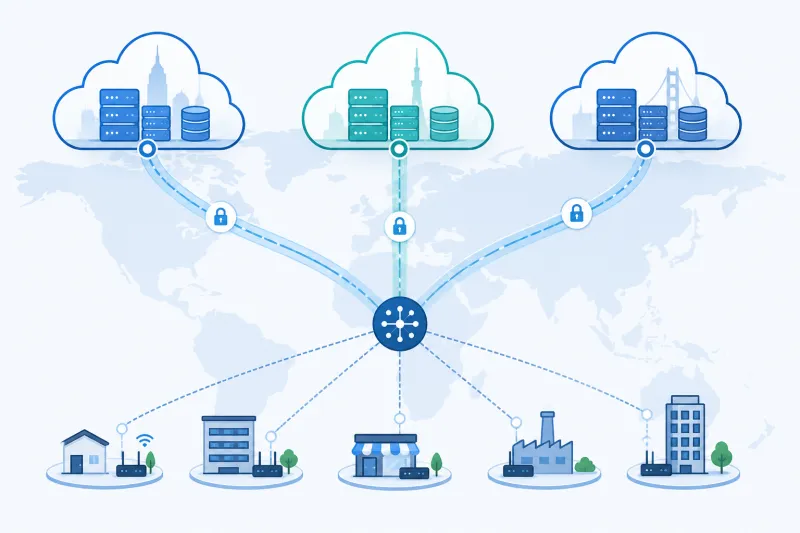
Choosing the Right Cloud Provider for VPN Infrastructure
A fair comparison of cloud providers for VPN workloads: network quality, regions, bandwidth pricing, and automation—plus what TunnelFleet supports today.
Practical guides on VPN infrastructure, server automation, and self-hosted networking from the TunnelFleet team.
A fair comparison of cloud providers for VPN workloads: network quality, regions, bandwidth pricing, and automation—plus what TunnelFleet supports today.

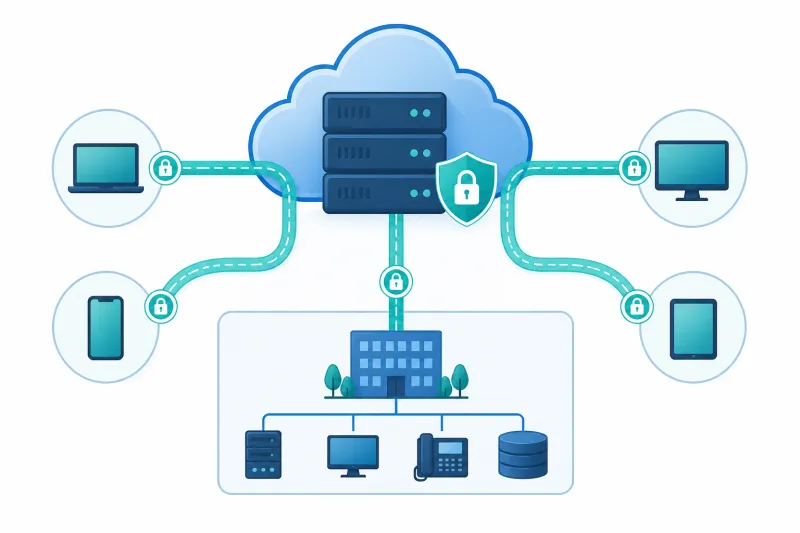
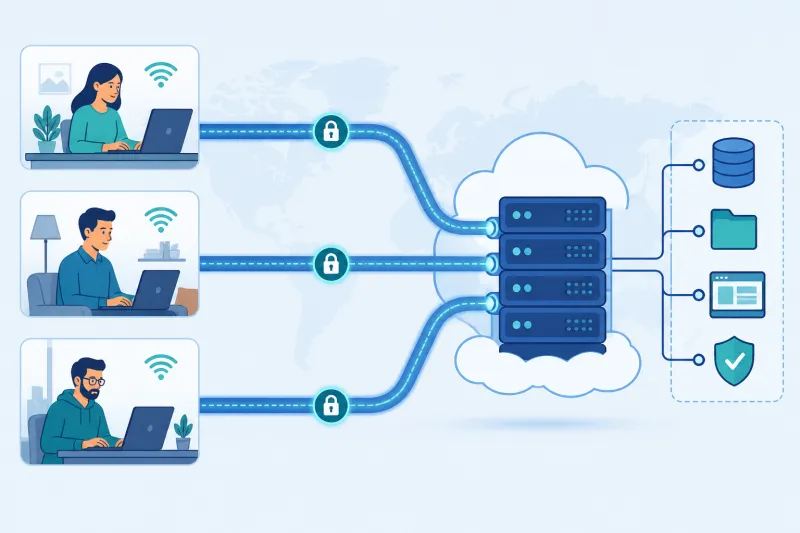
Design remote-access VPN for employees the way ops teams actually do it: split tunnel vs full tunnel, device onboarding, least privilege, and day-two operations.
Cut VPN spend without weakening security: right-size VPS instances, avoid duplicate tunnels, prefer efficient protocols, and automate provisioning so labor does not dominate the bill.
The operational and business reasons teams move off consumer VPN products to self-hosted WireGuard or OpenVPN on their own cloud infrastructure.
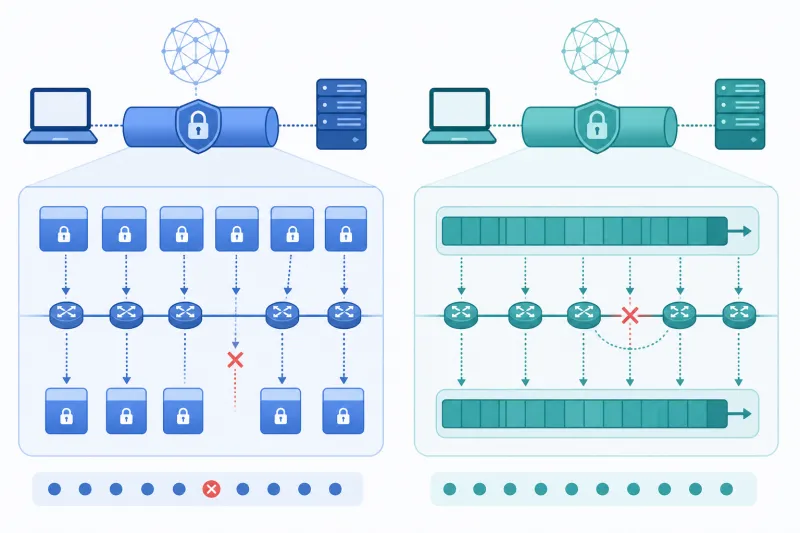
Why most VPNs prefer UDP, when TCP transport is justified, and how TCP-over-TCP meltdown shows up in real remote-access deployments.
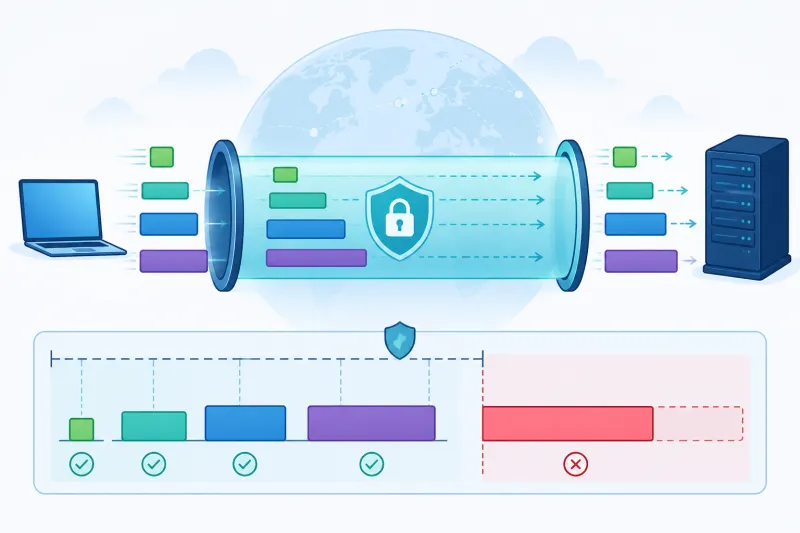
Fix slow tunnels and mysterious stalls by tuning MTU and MSS for WireGuard and OpenVPN—without guessing your way into blackholes.
How to choose a VPS for self-hosted VPN: CPU, bandwidth, regions, and network quality—plus sizing guidance that matches real WireGuard and OpenVPN workloads.
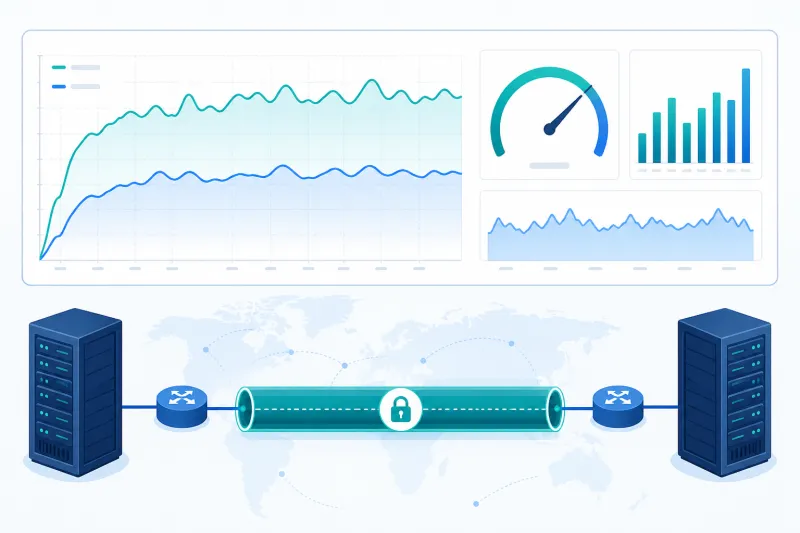
Measure WireGuard throughput and latency the right way: isolate variables, pick the right tools, and interpret results without marketing-bench noise.
A practical comparison of WireGuard, OpenVPN, and IKEv2 for throughput and latency—what actually makes a VPN fast on a VPS, and how to choose for real workloads.