Fastest VPN Protocol
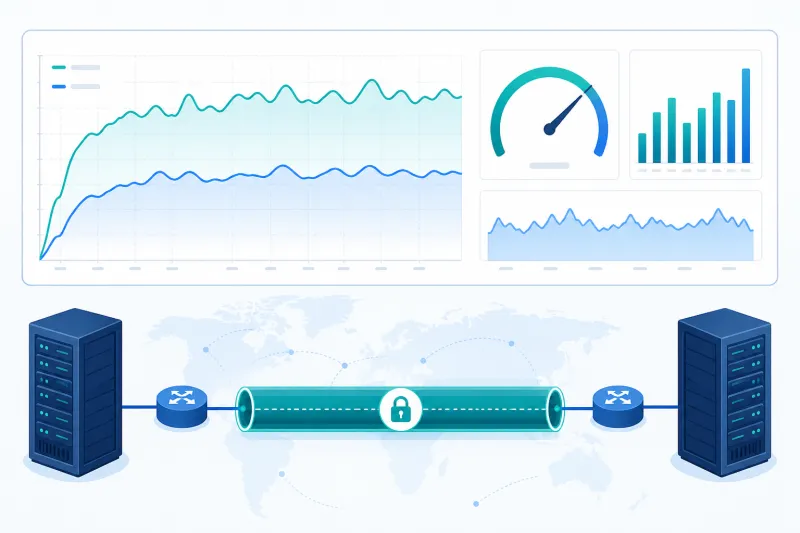
A practical comparison of WireGuard, OpenVPN, and IKEv2 for throughput and latency—what actually makes a VPN fast on a VPS, and how to choose for real workloads.
Practical guides on VPN infrastructure, server automation, and self-hosted networking from the TunnelFleet team.
A practical comparison of WireGuard, OpenVPN, and IKEv2 for throughput and latency—what actually makes a VPN fast on a VPS, and how to choose for real workloads.
Hardening tips for production WireGuard: key hygiene, AllowedIPs discipline, PSKs, firewall posture, endpoint exposure, and peer lifecycle controls.
What to log on a self-hosted VPN, what to avoid, retention policies, and how to keep operational visibility without collecting unnecessary user traffic data.
Operational SSH security for VPN and VPS fleets: key lifecycle, jump hosts, access reviews, break-glass procedures, and least privilege—beyond a single sshd_config checklist.
A runbook for rotating WireGuard and OpenVPN credentials without locking out users: dual-key windows, inventory hygiene, and compromise response.
What “best VPN encryption” means in practice: modern ciphers, protocol defaults, key exchange, and how WireGuard and OpenVPN compare for self-hosted fleets.
Operating a large VPN fleet is an inventory and control-plane problem. Learn naming, regions, peer lifecycle, observability, and recovery patterns that scale.
A practical path from click-ops droplets to repeatable VPN server provisioning: APIs, cloud-init, secrets, health checks, and teardown discipline.
Terraform provisions cloud resources; cloud-init configures the guest OS on first boot. Learn when to use each—and how they complement VPN server automation.